The Tampa Bay Homeowner’s Winter Heating Checklist: Staying Warm When the Cold Fronts Hit
We don’t get blizzards here in Pinellas County, and most of the year your HVAC system is working overtime just to keep the Gulf Coast heat and humidity at bay. Still, anyone who has lived through a Tampa Bay winter knows that sudden cold fronts can drop overnight temperatures into the 40s—and sometimes even the upper 30s—with very little warning.
Because your heating system sits idle for eight or nine months out of the year, switching from "Cool" to "Heat" for the first time can bring unexpected surprises. At All in the Family Heating and Air, we put together this local winter checklist to help homeowners from Clearwater and Largo down to St. Petersburg keep their homes warm, safe, and energy-efficient all season long.
1. Test Your Heat Before the First Cold Snap
Don’t wait until a 45-degree night to find out your heat isn’t working. Turn your thermostat to Heat and bump the temperature up 3 to 5 degrees above the current room temperature on a mild afternoon.
- What to expect: If you have electric heat strips (very common in Florida homes), you may notice a brief, faint "burning dust" smell for the first 10–15 minutes as accumulated dust burns off the heating elements. That is completely normal.
- When to call a pro: If the smell lingers past 20 minutes, smells like melting plastic, or the vents only blow cold air after 10 minutes, turn the system off and have a technician inspect it.
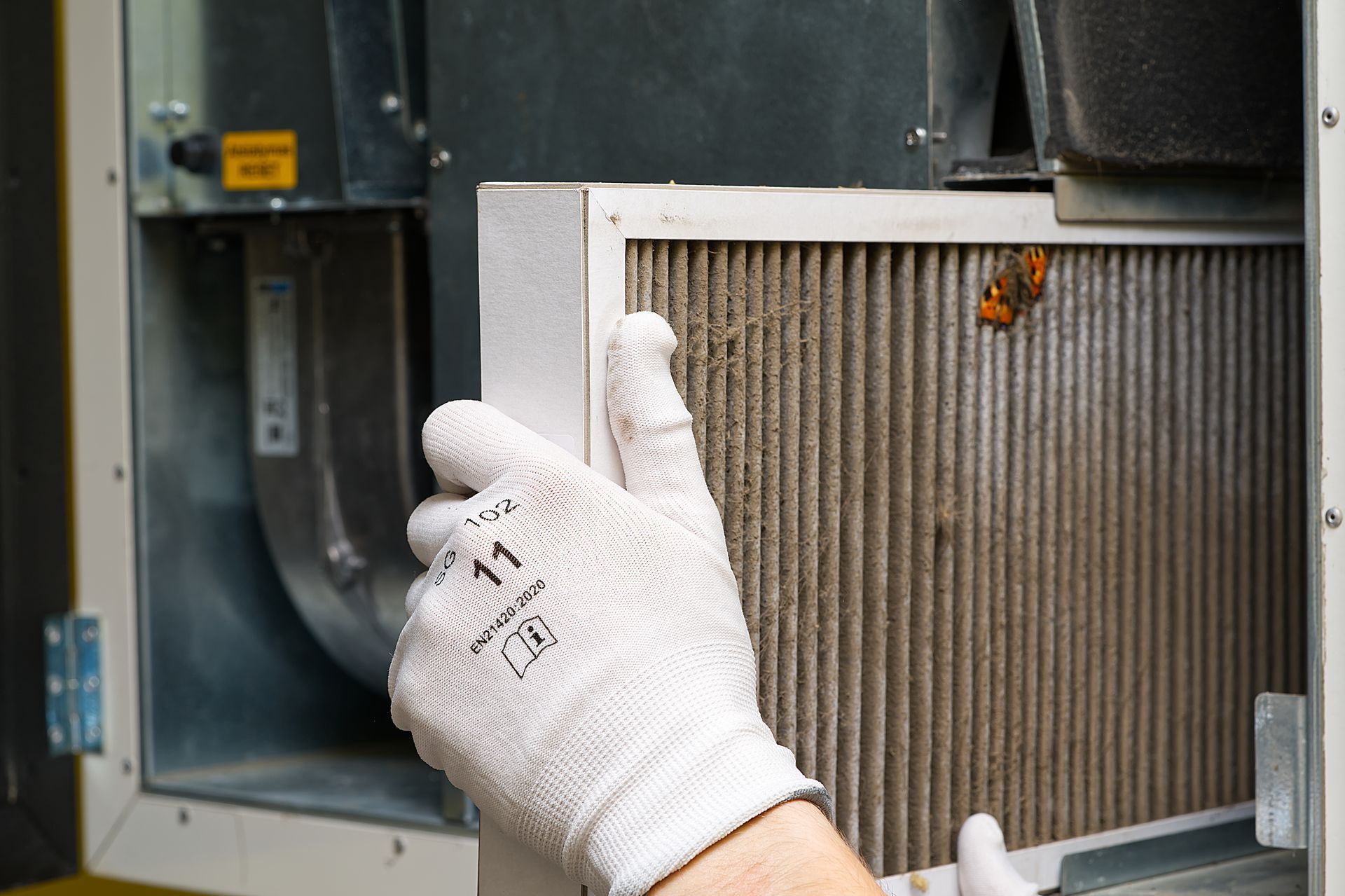
2. Replace Your Air Filter
After a long, humid Florida summer and fall, your air filter is likely packed with dust, pet dander, and pollen. Restricted airflow forces your blower motor and heating elements to work harder, driving up your Duke Energy bill and risking premature system wear.
Bullet Swap in a fresh filter before heating season starts, and keep checking it every 30 to 60 days.
3. Check Your Thermostat Settings and Batteries
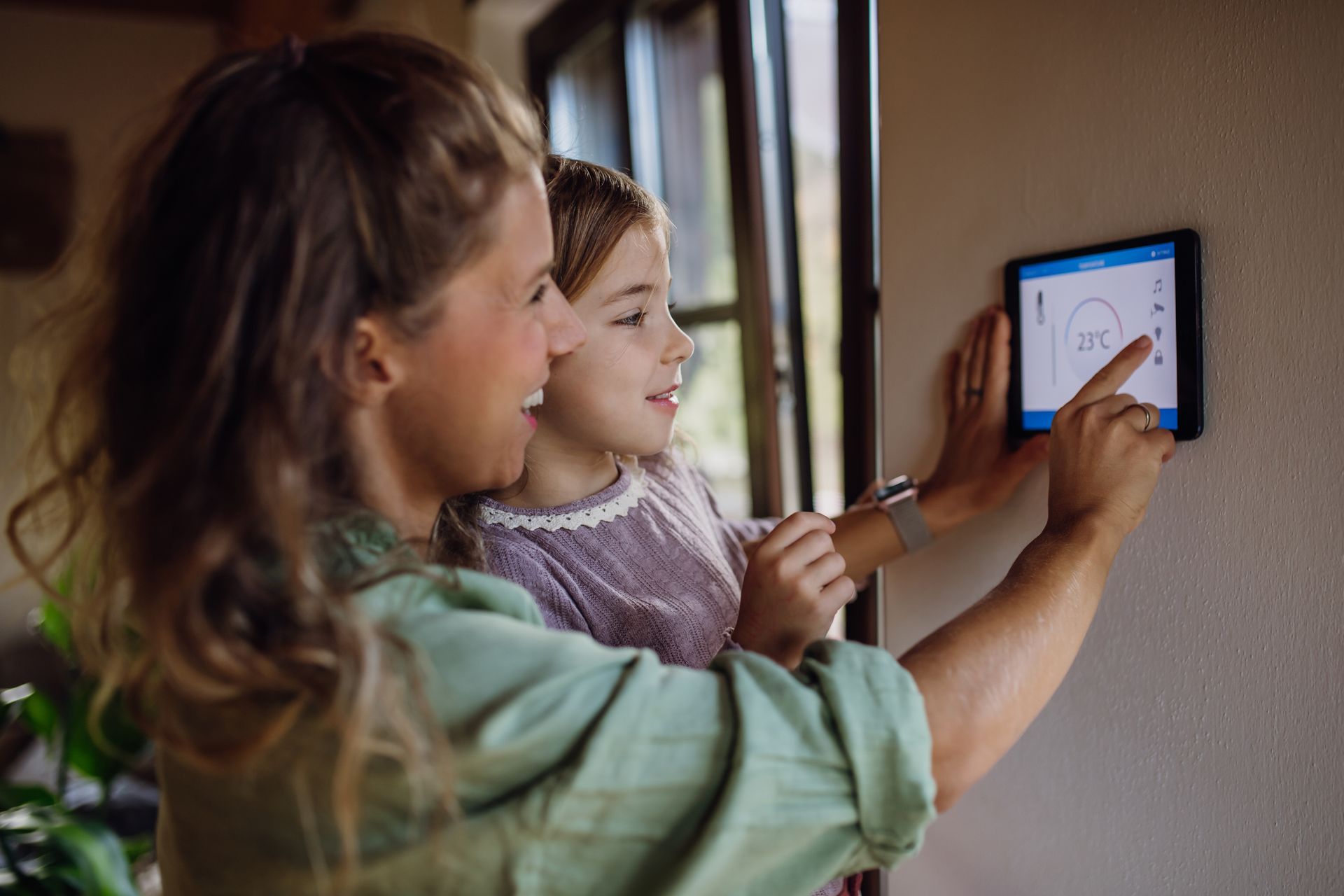
Whether you have a heat pump or a straight-cool system with electric heat strips, how you set your thermostat matters in Florida:
- Aim for 68°F: Setting your thermostat around 68°F when you’re home balances comfort and energy savings. McDonald
- Avoid big temperature jumps on heat pumps: If you have a heat pump, raising the thermostat by more than 2 or 3 degrees at once can trigger Auxiliary (AUX) or Emergency Heat, which uses expensive electric resistance strips instead of the efficient heat pump cycle.
- Swap the batteries: If your thermostat runs on AA or AAA batteries, put fresh ones in now so you don't lose heat control in the middle of the night.
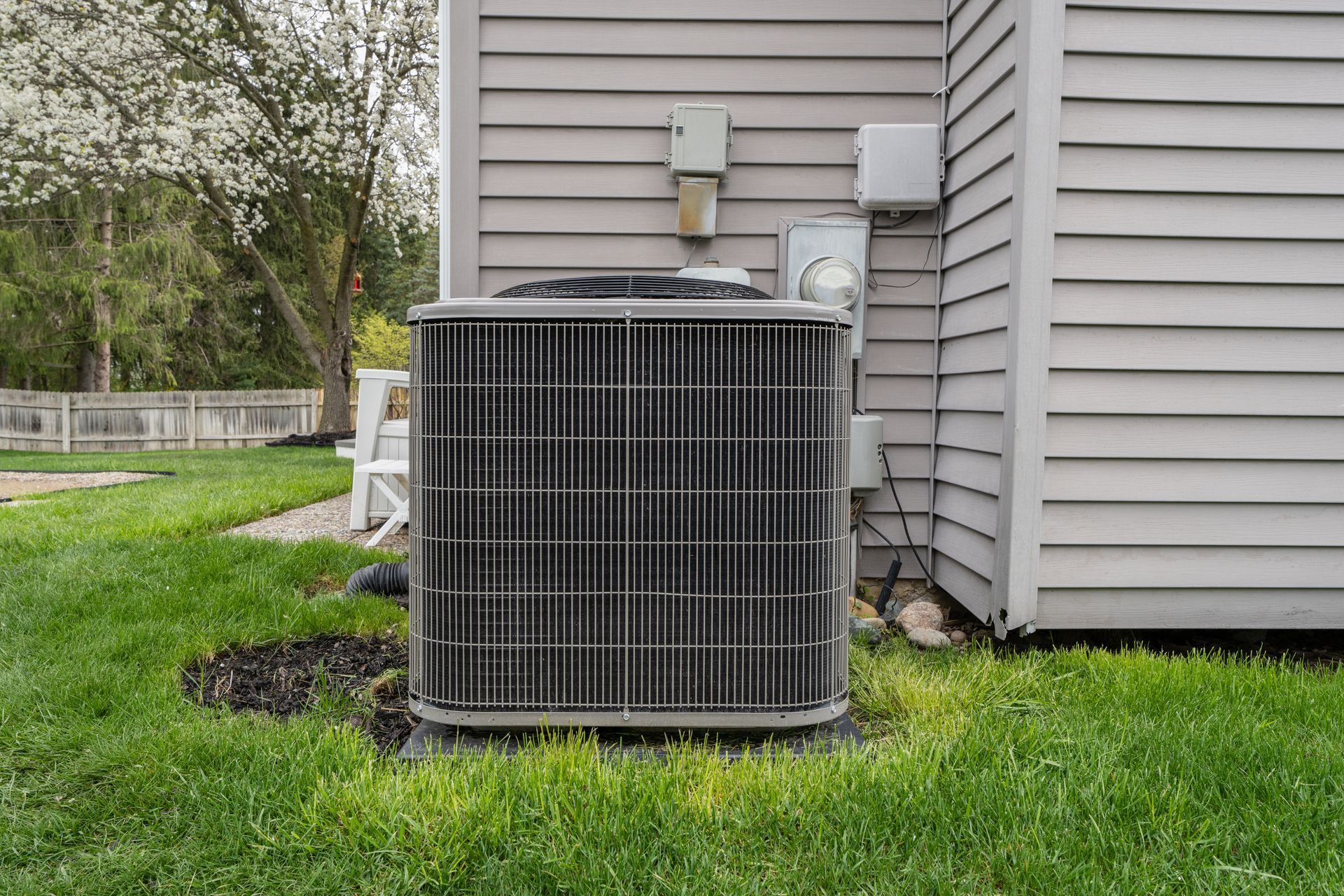
4. Clear Around Your Outdoor Condenser Unit
Even in winter, your outdoor unit needs room to breathe—especially if you rely on a heat pump, which pulls heat from the outside air to warm your home.
- Clear away fallen oak leaves, pine needles, grass clippings, and palm fronds within at least two feet of the unit.
- Coastal Pinellas Tip: If you live near the beaches—from Tarpon Springs and Dunedin down through Indian Shores, Madeira Beach, and Treasure Island—salt air accelerates corrosion on outdoor coils and fins. A gentle rinse with a garden hose (never a pressure washer) helps wash away salt buildup. All in the Family Heating and Air
5. Open and Inspect Your Vents and Registers
Walk through your home and make sure all supply vents and return grilles are open and unblocked by rugs, drapes, or holiday decorations. Closing vents in unused rooms doesn't save money in modern ducted systems; instead, it creates pressure imbalances that can strain your blower motor and lead to duct leaks.
6. Inspect Accessible Ductwork and Weatherstripping
In many Tampa Bay homes, ductwork runs through the attic or crawlspace. If you have safe, easy access, take a quick look for disconnected joints, torn insulation, or gaps where warm air could escape before reaching your living spaces. While you're at it, check the weatherstripping around exterior doors and windows—sealing simple drafts keeps warm air inside where it belongs.
7. Test Smoke and Carbon Monoxide Detectors
Winter is peak season for house fires and carbon monoxide hazards, especially when homeowners break out portable space heaters or fire up gas appliances.
- Press the Test button on every smoke and carbon monoxide detector in your home.
- Replace any batteries that are more than a year old.
- Keep space heaters at least three feet away from curtains, bedding, and furniture, and plug them directly into a wall outlet—never a power strip.
8. Schedule a Professional Winter HVAC Tune-Up
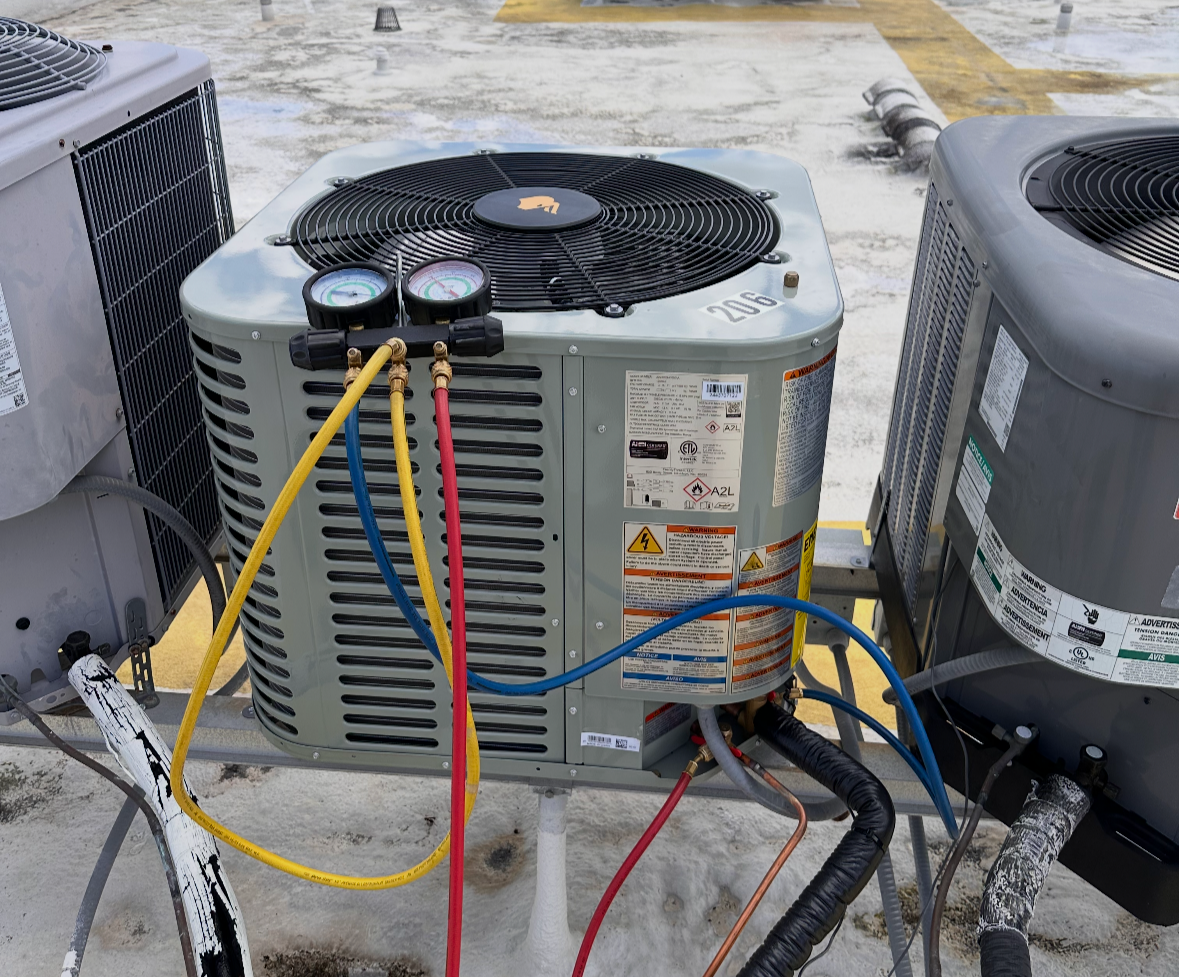
Because Pinellas County HVAC systems run almost year-round, preventative maintenance is the best way to catch worn components before they fail. During a professional heating check, a licensed technician will:
- Inspect and test heating elements, heat strips, or heat pump reversing valves
- Check electrical connections, capacitors, and amperage draws
- Inspect the indoor blower assembly and condensate drain line
- Verify thermostat calibration and safe system operation
Need a Hand Getting Your System Ready for Winter?
Whether your heater won't kick on, your heat pump is stuck on AUX heat, or you just want peace of mind before the next cold front rolls across Tampa Bay, All in the Family Heating and Air is right around the corner.
Based right here in Largo and serving homeowners across Pinellas, Pasco, and Hillsborough counties, our fully licensed, insured, and OSHA-certified family team provides honest diagnostics, upfront quotes, and fast service—because cool (and warm) runs in the family.
- Call us today: (727) 581-2799. All in the Family Heating and Air
- Service Area: Largo, Clearwater, St. Petersburg, Dunedin, Tarpon Springs, Palm Harbor, Safety Harbor, Seminole, Pinellas Park, and surrounding Tampa Bay communities
Recent Posts